Thinking about getting your walls plastered? It’s a great way to smarten up a room or get a new build looking shipshape. But before you get a quote, it’s a good idea to get a handle on what goes into the cost. This guide is here to help you get a feel for plastering estimation, covering everything from measuring up to labour costs and those little extras you might forget. It’s not rocket science, but knowing the basics can save you a headache and maybe even some cash.
Key Takeaways
- Figuring out the size of the area you need plastered is the first step in plastering estimation.
- The condition of your walls and the type of finish you want will affect the final price.
- You’ll need to calculate how much plaster material you’ll need, and it’s better to have a little extra than not enough.
- Labour costs can vary, so get a few quotes to see what the going rate is in your area.
- Don’t forget about extra bits like scaffolding or dealing with any repairs needed before plastering starts.
Understanding Plastering Estimation Factors
Right then, before you even think about getting quotes, it’s a good idea to get a handle on what actually goes into figuring out the cost of plastering. It’s not just a simple ‘how big is the room?’ kind of deal. There are a few bits and bobs to consider that can really change the final price.
Assessing Surface Area and Dimensions
First things first, you need to know the size of the job. This means measuring up all the walls and ceilings you want plastered. Don’t forget to factor in things like doorways and windows, as you usually don’t plaster over them, so you can subtract those areas. It’s all about getting the total square meterage right. A bigger area naturally means more materials and more time, so accurate measurements are key to a decent estimate.
Considering Wall and Ceiling Conditions
Next up, have a good look at the surfaces themselves. Are they in tip-top shape, or are they a bit of a mess? Old plaster might be crumbling, or you might have cracks, holes, or even damp patches. If there’s a lot of repair work needed before the actual plastering can even start, that’s going to add to the time and cost. Sometimes, you might need to get a specialist to sort out damp issues first. It’s worth checking out plastering costs for different scenarios.
Evaluating the Required Finish Type
What kind of look are you going for? A standard, smooth finish is pretty common and usually the most straightforward. But if you’re after something a bit more fancy, like a textured or polished look, that’s a different ballgame. These specialist finishes often require different materials and a lot more skill and time from the plasterer, which naturally bumps up the price. So, think about the final appearance you want – it makes a difference!
It’s easy to get caught up in just the main plastering job, but don’t forget to look at the whole picture. The condition of the walls and the exact finish you’re after can have a surprisingly big impact on how much you end up paying.
Calculating Material Quantities for Plastering
Right then, let’s talk about getting the plaster quantities sorted. This is where things can get a bit fiddly, but getting it right means you won’t be stuck halfway through with not enough bags of plaster, or worse, having loads left over that just go to waste. It’s all about being smart with your measurements and knowing what affects how much you’ll actually need.
Basic Formula for Plaster Quantity
At its heart, figuring out how much plaster you need is pretty straightforward. You’re essentially calculating the surface area you need to cover. The basic idea is to measure the height and width of each wall or ceiling you’re plastering and multiply them together. So, if a wall is 10 feet high and 12 feet wide, its area is 120 square feet (10 x 12 = 120). If you’ve got multiple walls, just add up all those individual areas. Don’t forget the ceiling – it often gets overlooked!
- Measure each wall’s height and width.
- Multiply height by width to get the area of that surface.
- Add up the areas of all walls and the ceiling.
Remember to subtract the areas of any doors and windows, as you won’t be plastering over those. It sounds simple, but accurate measurements are the bedrock of a good estimate.
Impact of Room Size on Material Needs
It’s pretty obvious, but the size of the room has a big say in how much plaster you’ll need. Bigger rooms mean more wall space to cover, so naturally, you’ll need more material. A small box room will need significantly less plaster than a large lounge.
However, it’s not just about the overall square footage. Think about the shape of the room too. Lots of nooks, crannies, or awkward corners can mean you use a bit more plaster because you’re working with more edges and surfaces. On the flip side, large windows or doors take up wall space, so their area gets subtracted, reducing the amount of plaster needed. High ceilings also mean more vertical surface area to cover, so factor that in.
Importance of Accurate Material Calculation
Why bother with all this measuring and calculating? Well, a few good reasons:
- Avoids Waste: Buying too much plaster means you’ll have leftovers. Plaster can dry out or go lumpy if not stored perfectly, so you might end up throwing money away. Getting it right means you buy just what you need.
- Keeps the Project Moving: Running out of plaster halfway through plastering a wall is a proper pain. It means stopping, going to the shop, and potentially delaying other parts of your project. Having enough material on hand keeps things flowing smoothly.
- Budget Control: Plaster isn’t cheap, and neither is the labour to put it on. Knowing your material needs helps you get a much clearer picture of the total cost, so there are fewer nasty surprises when the bill comes.
Getting the quantities right from the start saves you time, money, and a whole lot of hassle down the line. It’s a bit of effort upfront, but it pays off big time.
If you’re feeling overwhelmed by the calculations, or just want to be sure it’s done properly, getting a professional opinion is always a good idea. They’ve got the experience to estimate plastering and rendering services accurately, taking all these little details into account.
Estimating Labour Costs for Plastering
Right then, let’s talk about the people doing the actual plastering – the plasterers themselves. Their time and skill are a big chunk of the overall cost, so it’s worth getting your head around it.
Daily Rates for Professional Plasterers
Plasterers, like most tradespeople, usually charge a daily rate. This can vary quite a bit depending on where you are in the UK and how experienced the plasterer is. You’re generally looking at around £300 per day for a skilled professional. This rate covers their time, their tools, and their expertise. It’s not just about slapping plaster on a wall; it’s a proper craft that takes years to master.
Time Required for Different Plastering Jobs
The amount of time a plasterer spends on your job will obviously affect the total labour cost. A quick skim over a small, already smooth wall will take far less time than plastering a whole room from scratch, especially if it involves plasterboarding or dealing with tricky corners. Here’s a rough idea:
- Skimming a single room: This might take a day or two, depending on the size and condition.
- Plastering a new extension: This will take considerably longer, potentially several days or even a week, as it involves larger areas and possibly more complex prep work.
- Repair work: Small patches or crack repairs can often be done in a few hours.
Factors Affecting Labour Charges
Beyond the basic time it takes, a few other things can nudge the labour costs up or down. Accessibility is a big one – if the plasterer has to spend ages setting up scaffolding for high ceilings or wrestling with awkward access to a room, that extra time will be factored in. The condition of the existing walls also plays a part; if there’s a lot of prep work needed, like removing old plaster or fixing damp issues, that’s more time and effort. And don’t forget, some plasterers might charge a bit more if they have to travel a long distance to your job.
Remember, a good plasterer isn’t just about speed; it’s about the quality of the finish. A slightly higher labour cost for a job done right can save you a lot of hassle and expense down the line, especially when it comes to avoiding issues like cracking or poor adhesion later on.
Exploring Different Plaster Types and Their Costs
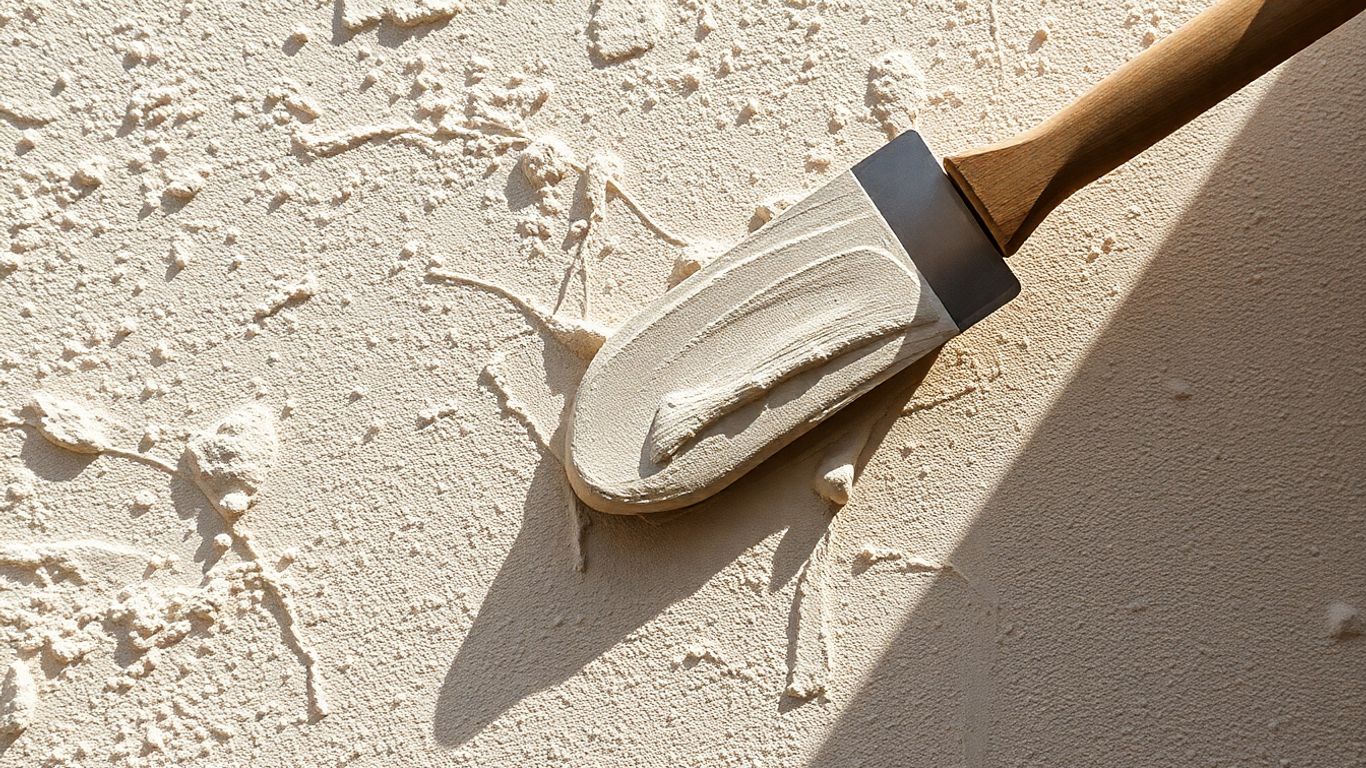
Right then, let’s chat about the different kinds of plaster out there and what they’ll set you back. It’s not just a one-size-fits-all situation, you know. The type of plaster you choose can really change the look, feel, and yes, the price tag of your project.
Cost Variations for Standard Plastering
When most people think about plastering, they’re usually picturing a standard, smooth finish. This is your everyday plaster, often a mix of cement, sand, and water, or sometimes gypsum-based. It’s the workhorse of the plastering world, providing a solid, clean surface ready for painting. The cost here is generally the most straightforward. You’re looking at a price range that’s pretty accessible, especially if you’re just plastering a single room or a few walls. It’s all about getting that nice, even surface without any fancy frills. The price per square meter for standard plastering can vary, but you’re typically looking at somewhere between £20 and £70 per square meter. This figure can go up or down depending on your location and the specific plasterer you hire, of course.
Specialist Finishes: Venetian and Moroccan Plasters
Now, if you want something a bit more special, you’re stepping into the world of specialist finishes. Think Venetian plaster, which gives you that gorgeous, polished, marble-like look, or Moroccan plaster (like Tadelakt), known for its seamless, water-resistant qualities and unique texture. These aren’t your average plasters. They involve more complex application techniques and often use different, sometimes more expensive, materials. Because of the skill and time involved, these finishes come with a higher price tag. For a real wow factor, you might be looking at prices upwards of £100 per square meter for these kinds of decorative plasters. It’s a significant jump from standard plastering, but the aesthetic result can be pretty stunning.
Understanding Gypsum and Lime Plaster Pricing
Gypsum and lime plasters are two other common options, each with its own pricing structure. Gypsum plaster is quite popular because it dries faster and is less prone to cracking than some other types. It’s versatile, too, usable as a base coat, finish coat, or even a single coat. Lime plaster, on the other hand, is an older, more traditional material. It’s known for being breathable and flexible, which can be good for older buildings. However, it’s not as commonly used in new builds these days and can sometimes be more expensive to source and apply. The cost difference between gypsum and lime plaster isn’t always massive, but it’s worth getting quotes for both if you’re unsure which to go for. You might find that lime plaster costs a bit more per square meter, especially if you’re looking for a specific traditional finish. It’s always a good idea to get a few quotes from local plasterers to see how the prices stack up for the type of plaster you’re interested in. Remember, getting a good finish often means hiring professional plasterers who know their stuff.
When you’re choosing a plaster type, think about the overall look you want, how durable you need the surface to be, and, of course, your budget. Don’t be afraid to ask your plasterer for advice; they’ve seen it all and can guide you towards the best option for your specific needs and your home.
Here’s a rough idea of what you might expect to pay:
| Plaster Type | Approx. Cost per m² (Low) | Approx. Cost per m² (High) |
|---|---|---|
| Standard Plastering | £20 | £70 |
| Venetian Plaster | £65 | £120 |
| Moroccan/Tadelakt | £125 | £150 |
| Gypsum Plaster (applied) | £25 | £50 |
| Lime Plaster (applied) | £30 | £60 |
Note: These are ballpark figures and can change based on location, the plasterer’s experience, and the specific product used. Always get a detailed quote.
Additional Expenses in Plastering Projects
Right then, so you’ve got a handle on the main costs of plastering, but there are a few other bits and bobs that can sneak into the final bill. It’s always a good idea to think about these beforehand so you don’t get any nasty surprises when the invoice lands on your doormat. These extras can sometimes add a significant chunk to the overall price.
Scaffolding Hire and Accessibility Fees
If you’ve got high ceilings or tricky corners, your plasterer might need some extra gear to get the job done safely and properly. This usually means hiring scaffolding or a tower. It’s not just about reaching the ceiling; sometimes awkward layouts or the need to protect surrounding areas might require some sort of temporary structure. Always ask if scaffolding is included in the quote, or if it’s a separate charge. It can add a fair bit to the cost, especially if it’s needed for a few days.
Costs Associated with Repair Work
Walls aren’t always in tip-top condition, are they? If your plasterer turns up and finds cracks, damp patches, or crumbling plaster that needs sorting before the new stuff goes on, that’s going to take extra time and materials. Think of it like this: you wouldn’t paint over a hole in the wall, would you? The same applies to plastering. The more prep work needed, the longer the job will take, and that means more money.
Here’s a rough idea of what might add to the bill:
- Filling cracks and holes: Small jobs might be quick, but a lot of damage takes time.
- Treating damp: If there’s mould or damp, that needs proper treatment first.
- Removing old plaster: Sometimes, the old plaster is too far gone and has to be completely stripped off.
- Boarding: If the wall is really bad, it might need plasterboard adding before plastering.
The Impact of Location on Overall Costs
Where you live can make a surprising difference to plastering prices. If you’re in a major city, especially somewhere like London, you’ll probably find that quotes are higher. This is mainly down to demand – more people wanting the work done means tradespeople can charge a bit more. It’s always worth getting a few quotes from local plasterers to see how prices vary in your specific area. Sometimes, travelling a little further out can save you a bit of cash, but you’ll need to factor in any travel costs for the plasterer too.
It’s easy to get caught up in the price per square metre, but remember that the overall cost is a mix of materials, labour, and sometimes, unexpected extras. Always have a chat with your plasterer about potential hidden costs before they start.
Utilising Tools for Plastering Estimation
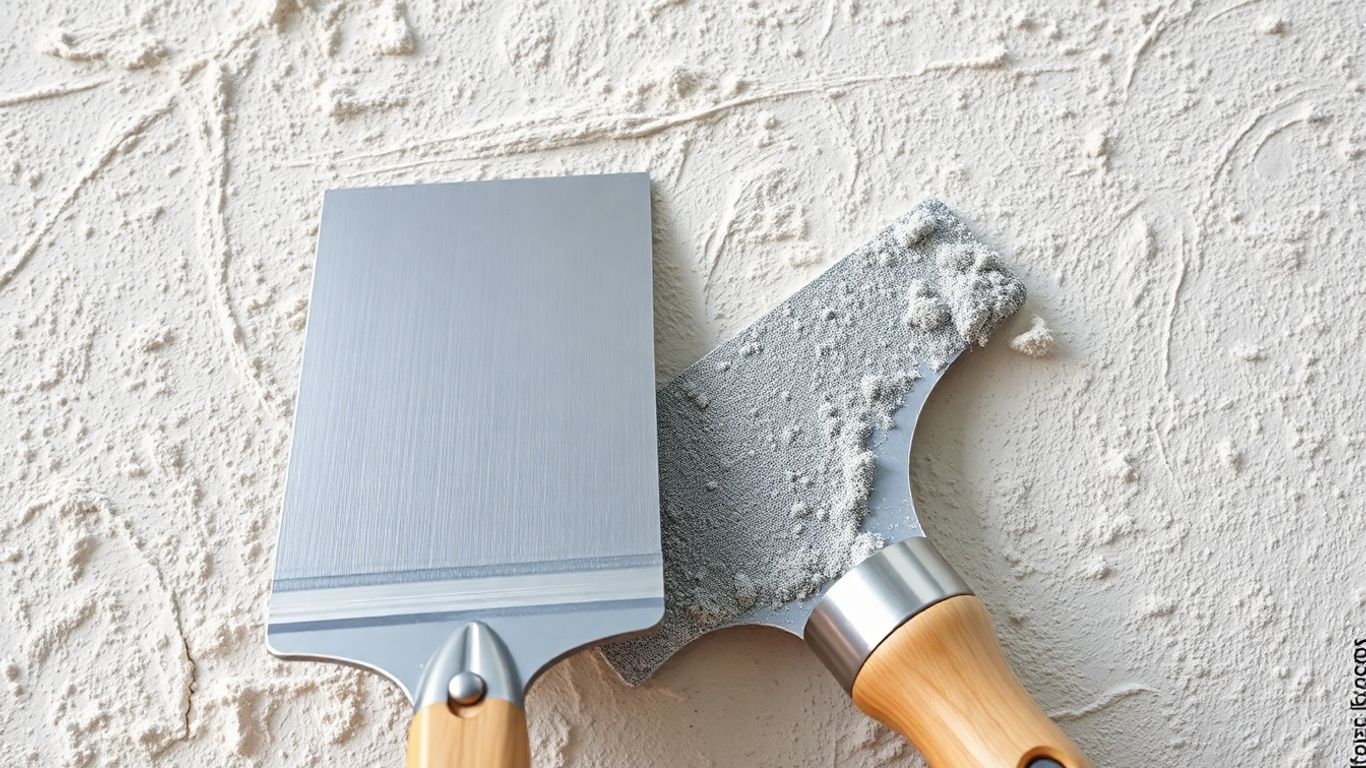
Right then, let’s talk about making this plastering job a bit less of a headache when it comes to figuring out the cost. Nobody wants to end up with a bill that’s way more than they expected, or worse, running out of cash halfway through. Luckily, there are some handy tools out there to help you get a grip on the numbers before you even pick up a trowel.
How Plaster Cost Calculators Work
Think of a plaster cost calculator as your digital assistant for budgeting. You feed it some basic info, and it spits out an estimated price. It’s pretty straightforward, really. You’ll usually need to tell it:
- The dimensions of the areas you need plastering: This means measuring the height and width of all your walls and ceilings. Don’t forget to measure each one individually if they’re different sizes.
- The type of plaster you’re planning to use: Different plasters have different price tags, so this is a key bit of info.
- Whether you’re doing it yourself or hiring a pro: This will affect the labour cost part of the calculation.
Once you’ve plugged all that in, the calculator does the heavy lifting. It works out the total surface area, figures out roughly how much plaster mix you’ll need based on standard coverage rates, and then applies the costs for materials and labour. It’s a brilliant way to get a ballpark figure quickly.
Tips for Effective Calculator Use
While these calculators are super helpful, they’re not magic wands. To get the most out of them, follow these pointers:
- Measure twice, input once: Seriously, accuracy here is everything. If you’re a bit off with your measurements, your estimate will be off too. Grab a tape measure and be thorough.
- Don’t forget the fiddly bits: Think about things like awkward corners, alcoves, or areas around pipes. While most calculators won’t ask for this level of detail, it’s good to keep in mind that these can sometimes add a bit more time and material.
- Factor in waste: Plastering isn’t always a perfect science. There’s usually a bit of wastage, especially if you’re new to it. Most calculators build in a small percentage for this, but it’s worth checking.
- Consider the finish: Are you going for a super smooth, polished look, or a more textured finish? This can sometimes affect how much plaster is needed or how long it takes to apply.
Remember, these calculators give you an estimate. They’re fantastic for budgeting and getting a general idea, but they don’t replace the need for a proper quote from a tradesperson, especially for larger or more complex jobs. It’s always wise to get a few quotes to compare.
Comparing Calculator Results with Professional Quotes
So, you’ve used a calculator or two and you’ve got a figure. What next? The next logical step is to get some actual quotes from plasterers in your area. Take the figures from your calculator with you when you speak to them. This gives you a good starting point for the conversation and helps you see if their quote is in the same ballpark.
If there’s a big difference between your calculator estimate and a professional quote, don’t be afraid to ask why. They might be accounting for things you haven’t considered, like the condition of your walls, the complexity of the job, or the quality of the materials they use. It’s all part of making sure you’re getting a fair deal and a job well done.
Figuring out the cost of plastering jobs can be tricky. We’ve made it easier by explaining how to use tools to get accurate estimates. Want to know more about how we calculate costs for your project? Visit our website for a detailed breakdown.
So, What’s the Takeaway?
Right then, we’ve waffled on about plastering costs, and hopefully, you’ve got a better idea of what to expect. Remember, those online calculators are just a starting point – think of them as a rough guide, not gospel. For a proper, no-surprises quote, your best bet is always to get a few local plasterers round to have a look. Don’t forget to factor in any extras like scaffolding or if you’re after a fancy finish, as that can bump up the price. At the end of the day, a bit of planning goes a long way, and getting a few quotes will help you keep your budget on track. Happy plastering!
Frequently Asked Questions
How do I figure out how much plaster I need?
To get a rough idea, you’ll need to measure the height and width of all the walls and ceilings you want to plaster. Multiply those numbers together to get the total area in square metres. It’s also a good idea to take off the space for any doors and windows. This helps stop you from buying way too much plaster, which is just a waste of money!
What’s the difference between standard and fancy plaster finishes?
Standard plastering gives you a nice, smooth surface, perfect for painting. Fancy finishes, like Venetian or Moroccan plaster, are more about texture and a unique look. They often involve special techniques and materials, so they naturally cost more than a basic skim.
Will the cost of plastering change depending on where I live?
Yeah, it often does! In bigger cities, especially places like London, you’ll probably find that plastering costs a bit more. This is usually because there’s more demand for tradespeople there, so they can charge a bit higher rates.
Are there extra costs I should think about besides the plaster itself?
Definitely! Sometimes, if the plasterer needs to reach high ceilings or tricky spots, they might need to hire scaffolding, which adds to the bill. Also, if your walls need a lot of fixing up before plastering, like filling big cracks, that will take more time and cost more too. Always check if things like VAT are included in the quote!
Can I use an online calculator to get a price for plastering?
You can! Online calculators are super handy for getting a rough estimate of how much your plastering job might cost. You just pop in the measurements and the type of finish you want, and it gives you a ballpark figure. Just remember, these are estimates, and it’s always best to get a proper quote from a local plasterer for the exact price.
How much does a plasterer usually charge per day?
A professional plasterer typically charges around £300 per day. This can change depending on their experience, where you are, and how complex the job is. The calculator might give you a daily rate, but it’s always good to confirm this with the tradesperson you hire.