Right then, let’s have a chat about plastering techniques. It’s one of those things that can really make or break how a room looks, you know? Gone are the days when it was just about slapping some stuff on the wall. Now, there are loads of cool ways to do it, giving you everything from a super smooth, modern vibe to something really rustic and textured. Whether you’re renovating an old place or building something new, picking the right plastering technique can make a massive difference. So, let’s look at some of the top modern plastering techniques that are making waves.
Key Takeaways
- Venetian plaster is a fancy technique that gives walls a smooth, marble-like finish, adding a touch of luxury.
- Tadelakt plaster is brilliant for bathrooms and wet areas because it’s naturally waterproof and looks great.
- Marmorino plaster, another lime-based option, can be finished in various ways, from matte to glossy, mimicking natural stone.
- Stucco plastering, often used on the outside but also inside, is known for being tough and can be done in loads of textures.
- Clay plaster is a natural, breathable choice that helps control humidity and gives a warm, earthy feel to a room.
1. Venetian Plaster
Right then, let’s talk about Venetian plaster. This stuff is seriously fancy, and it’s been around for ages, like, since the Renaissance. Think grand old palaces in Venice – that’s the vibe. It’s basically a special kind of plaster made from slaked lime and often mixed with marble dust. This gives it this really smooth, almost polished look that’s quite something.
Applying it isn’t just slapping it on, mind you. It’s a proper art form. You’ve got to put on multiple thin layers, and then as it dries, you sort of compress and polish it. This is what gives it that depth and subtle sheen that changes depending on how the light hits it. It’s this unique, layered effect that makes walls look so rich and interesting. You can get it in pretty much any colour you can imagine, from soft neutrals to really bold shades.
It’s not just about looks, though. Because it’s lime-based, it’s naturally good at resisting mould and bacteria, which is a bonus. Plus, it can help manage moisture in the air, making your rooms feel a bit more comfortable. It’s a bit of a labour of love to get it just right, and you’ll probably want someone who knows what they’re doing to apply it, but the end result? Absolutely stunning. It really does give a space a touch of timeless class. If you’re after a really high-end, sophisticated finish, this is definitely one to consider.
Here’s a quick rundown of what makes it special:
- Look: Smooth, polished, with a subtle sheen and depth.
- Materials: Primarily slaked lime, often with marble dust.
- Application: Multiple thin layers, burnished as it dries.
- Benefits: Mould-resistant, breathable, regulates humidity.
Just remember, achieving that perfect, seamless finish takes skill and patience. It’s not a DIY job for the faint-hearted, but the visual payoff is huge.
2. Tadelakt Plaster
Right then, let’s talk about Tadelakt. This stuff is pretty special, coming all the way from Morocco, specifically the Marrakech region. It’s a natural, lime-based plaster, and honestly, it’s one of the oldest techniques out there. The way it’s applied is quite involved – think ramming, polishing, and then treating it with soap. This whole process gives it this really unique, organic look that’s quite unlike anything else.
What makes Tadelakt a bit of a star, though, is its water-resistant quality. Seriously, it’s brilliant for places where you’ve got a lot of moisture. We’re talking bathrooms, kitchens, even wet rooms. It’s also pretty good at resisting mould and mildew, which is always a bonus, isn’t it?
Tadelakt is more than just a wall covering; it’s a piece of history that brings a touch of Moroccan luxury and practicality into modern homes. Its natural composition also means it’s a healthier choice for your indoor environment.
Applying Tadelakt isn’t a quick job, mind you. It’s a labour-intensive process that needs a skilled hand. You’re looking at several thin layers, followed by that careful polishing with a river stone and the soap treatment. This is what creates that smooth, almost seamless, waterproof finish that Tadelakt is famous for. It can be tinted too, so you can get it in a whole range of colours to suit your style.
Here’s a quick rundown of why you might consider it:
- Waterproof: Ideal for bathrooms and kitchens.
- Durable: Stands up well to daily use.
- Natural: Made from lime and soap, so it’s eco-friendly.
- Aesthetic: Offers a beautiful, rustic yet elegant finish.
- Mould Resistant: A big plus for damp areas.
If you’re thinking about a project that needs a high-quality, durable, and beautiful finish, especially in a wet area, Tadelakt is definitely worth looking into. It’s a technique that really blends form and function, and you can find some fantastic expert plastering services that specialise in these traditional methods.
3. Marmorino Plaster
Right then, let’s chat about Marmorino plaster. It’s another one of those classic lime-based finishes, and honestly, it’s got a real elegance to it. Think of it as a bit of a cousin to Venetian plaster, but with its own distinct vibe.
What makes Marmorino special is its composition. It’s mainly made up of lime putty – that’s slaked lime, basically – mixed with finely ground marble. This combination is what gives it that lovely, smooth feel and allows for some seriously cool finishes. You can get it looking anything from a soft, matte surface to something super glossy, almost like polished stone. It’s quite versatile, really.
Applying Marmorino isn’t just slapping it on, mind you. It involves a few layers, and the technique is all about building up that depth and texture. You can achieve a few different looks with it:
- Smooth and Subtle: For a clean, understated look that still has that natural plaster feel.
- Polished and Glossy: Achieved through careful burnishing, giving it a high sheen that catches the light.
- Stone-like Effects: Mimicking the appearance of natural stone or even polished marble, adding a touch of luxury.
It’s a fantastic choice if you’re after a finish that feels both traditional and a bit luxurious, without being over the top. It’s a bit more forgiving than some other plasters, which is always a bonus when you’re doing it yourself or working with a plasterer.
Marmorino plaster offers a beautiful, natural aesthetic that can really transform a space. Its ability to mimic natural stone or achieve a high-gloss finish makes it a popular choice for those seeking a sophisticated yet organic look. It’s a testament to how simple ingredients can create something quite remarkable.
If you’re looking to add a touch of class to your walls, Marmorino is definitely worth considering. It’s a technique that’s stood the test of time for a reason. You can find out more about modern plastering techniques that might complement this style.
4. Stucco Plastering
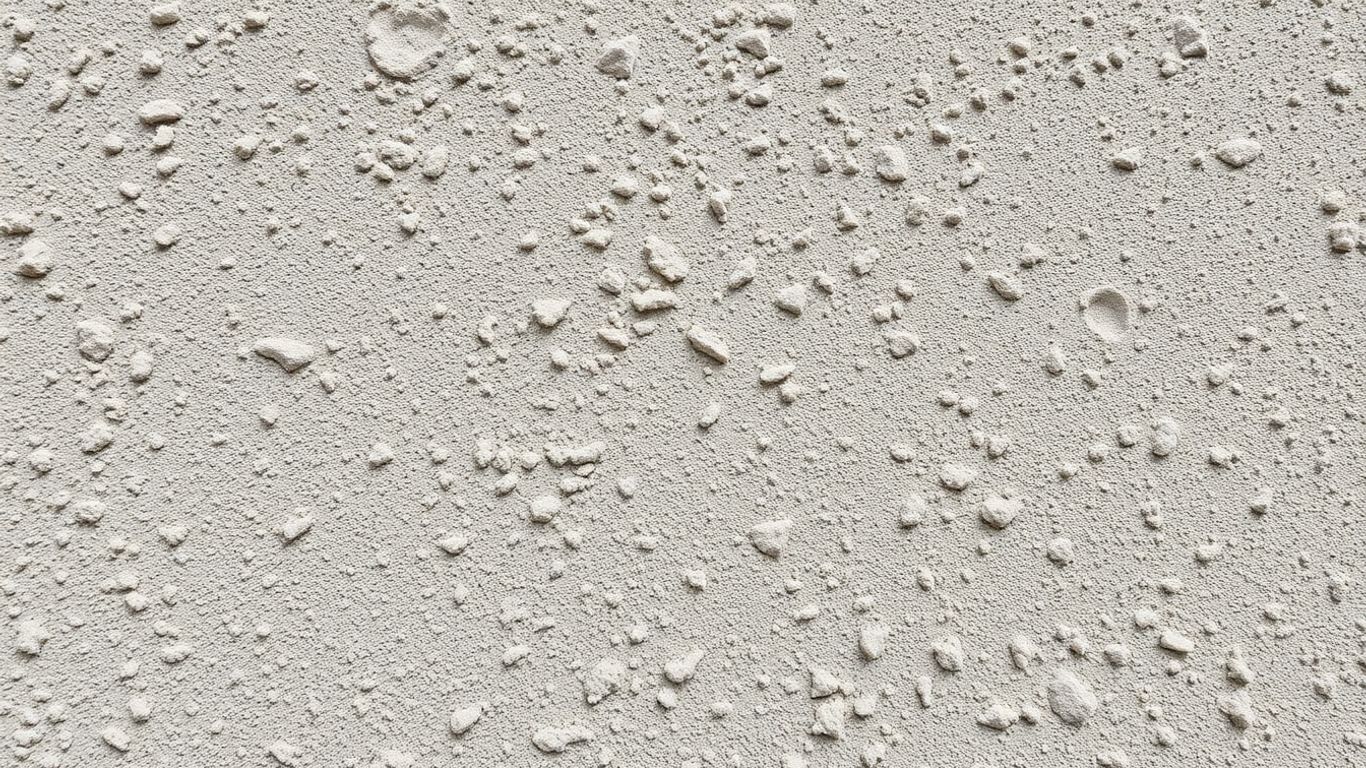
Right then, let’s talk about stucco. You’ve probably seen it on loads of houses, especially older ones, and it’s got a real classic look about it. Stucco, or render as we often call it over here in the UK, is basically a decorative coating for walls. It’s made from a mix of cement, sand, water, and sometimes lime.
One of the best things about stucco is how tough it is. It’s really durable and can handle all sorts of weather, which is why it’s been a go-to for exterior walls for ages. It’s not just for the outside, though; you can use it inside too. It gives you a really solid finish that can be adapted to look pretty much however you want.
When it comes to finishes, stucco is super flexible. You can go for a really smooth look, or you can get all sorts of textures. Think about those Mediterranean-style houses with the slightly rough, earthy feel – that’s often stucco. You can also tint it with different colours when it’s being mixed, or you can paint it afterwards with masonry paint to get the exact shade you’re after. It’s a great way to give your home a unique and attractive appearance.
Stucco is a fantastic choice if you’re after a finish that’s both good-looking and built to last. Its versatility means it can suit a wide range of architectural styles, from traditional to more contemporary designs. Plus, its inherent strength means it offers good protection for your walls.
Here’s a quick rundown of what makes stucco a solid choice:
- Durability: Stands up well to the elements.
- Versatility: Can be used inside and out.
- Aesthetics: Offers a wide range of textures and colours.
- Protection: Provides a robust barrier for your walls.
If you’re looking for a long-lasting and adaptable wall finish, stucco is definitely worth considering. You can find out more about its properties and uses on pages about exterior siding material.
5. Clay Plaster
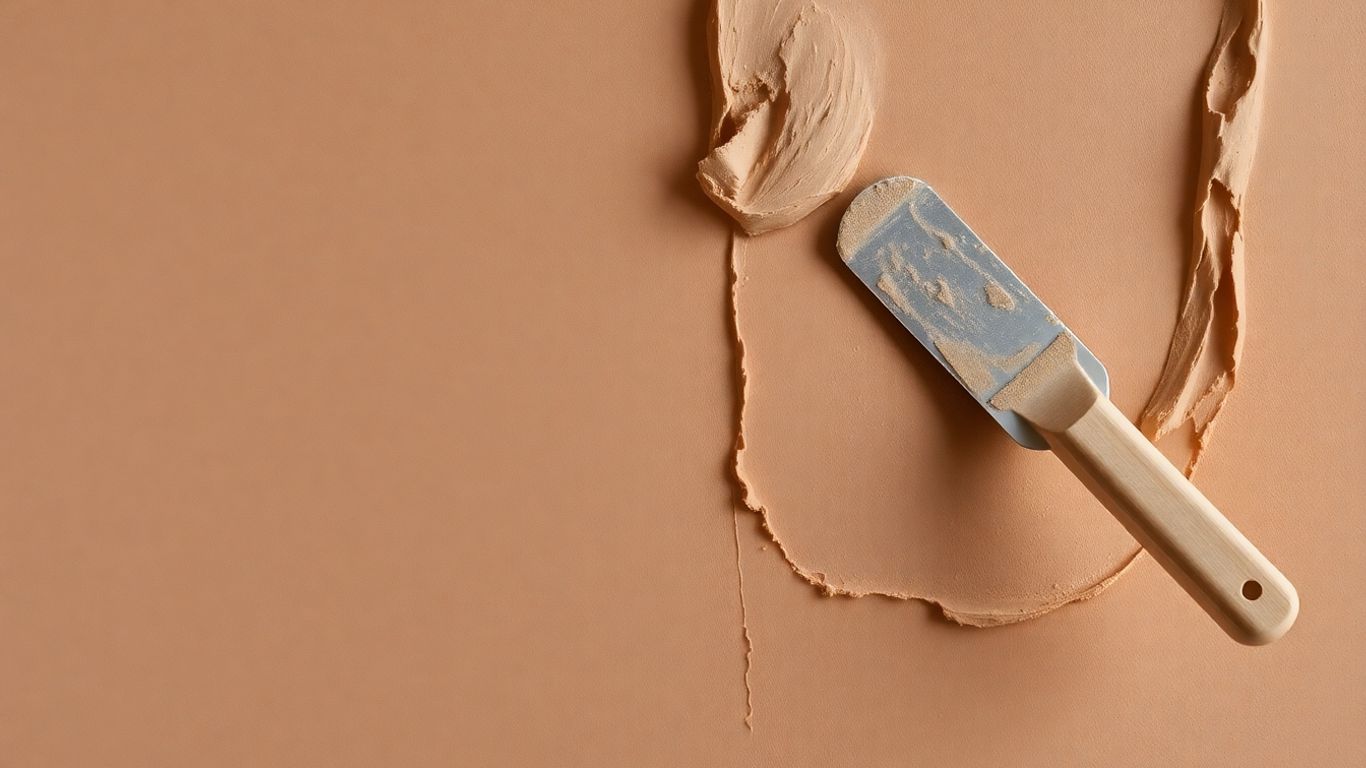
Right then, let’s talk about clay plaster. It’s having a bit of a moment, and honestly, for good reason. This stuff is basically a mix of natural clay, sand, and sometimes a few other bits and bobs like natural fibres or pigments. It’s a really earthy, natural finish that feels great to the touch.
What’s brilliant about clay plaster is how it helps with the air in your home. It’s a ‘breathable’ material, which means it can soak up moisture from the air when it’s damp and then release it when the air gets dry. This helps keep things feeling more balanced, which is pretty neat, especially if you’re sensitive to stuffy air. It’s also a good shout if you’re trying to cut down on chemicals in your home, as it’s made from natural ingredients. You often see it in earthy tones, giving a really warm vibe to a room. Plus, you can get it coloured, so you don’t necessarily need to paint over it, saving you a job and some cash down the line.
However, it’s not the best for places that get really wet, like right in the shower or behind the sink. So, think living rooms, bedrooms, that sort of thing. It’s a bit more expensive than your standard plaster, but when you consider you might not need to paint it, it evens out.
Clay plaster is a fantastic choice for creating healthy, breathable walls with a beautiful, natural look. It’s a great way to bring a bit of nature indoors.
Applying it is pretty similar to other plasters, usually done with a trowel. You might get a few coats, and then it’s often finished off to give it a smooth or slightly textured look. It’s definitely worth looking into if you’re after something a bit different and more natural for your walls. It’s a bit of a throwback, but in a really modern, stylish way. You can find some really interesting examples of clay plaster finishes out there that show just how versatile it can be.
6. Gypsum Plaster
Right then, let’s talk about gypsum plaster. You’ll see this stuff used a lot in homes, especially for finishing off walls and ceilings. It’s basically plaster of Paris, mixed with water to make a paste that dries pretty quickly. It gives a really smooth, clean look, which is why it’s a popular choice if you’re planning to paint or wallpaper straight after.
One of the main draws with gypsum plaster is that it’s generally cheaper than lime plaster. Plus, you often only need one coat, which can save you time and money. It’s also known for being fire-resistant, which is always a good thing to have in your home.
However, it’s not the most forgiving material to work with. You’ve got to mix it and get it on the wall fairly sharpish, usually within about 40 minutes. If you leave it too long, you can end up with what they call ‘cold joints’, and that’s not ideal for how strong the finish will be. It’s also not very breathable, so if you’ve got an older house where moisture might be a bit of an issue, you might want to think twice.
When it comes to applying gypsum plaster, it’s often done as a ‘skim coat’. This is a thin layer applied over existing plaster or plasterboard. Professionals might use special tools to speed things up on larger jobs, but for a smooth finish, a good old trowel and then a sponge float to smooth it all out is the usual way to go.
There are a few different types you might come across:
- Browning plaster: This is more of an undercoat, good for rougher surfaces like brickwork.
- Bonding plaster: Similar to browning, but it sticks really well, even on non-absorbent surfaces.
- Finishing plaster: This is the fine stuff you use as the final layer to get that super smooth surface, ready for decorating. Sometimes, you’ll hear the brand name ‘Thistle’ used as a general term for this type of finish coat.
It’s generally a good, cost-effective option for new builds or rooms you’re redecorating where breathability isn’t a major concern.
7. Cement And Sand Plaster
Right then, let’s talk about cement and sand plaster. This is a really common one you’ll see, especially on the outside of buildings, and for good reason. It’s basically a mix of cement, sand, and water, and when it dries, you get a surface that’s pretty tough and can handle whatever the weather throws at it.
It’s not the easiest to get a perfectly smooth finish with compared to some other plasters, but it does a cracking job of strengthening walls and adding a bit of warmth and soundproofing. Because it’s not as breathable as lime plaster, it’s generally not the best choice for older homes where you need walls to ‘breathe’.
Here’s a quick rundown of what makes it tick:
- Durability: It’s built to last and resist wear and tear.
- Strength: It adds structural integrity to the surface it’s applied to.
- Weather Resistance: Great for exteriors, keeping the elements at bay.
- Cost-Effective: Generally a more budget-friendly option.
While it’s a solid choice for many applications, especially new builds or renovations where breathability isn’t the top priority, it’s worth remembering its limitations. For period properties, you might want to explore other options that allow the building to breathe more naturally.
If you’re looking for a robust finish that offers protection and can be applied in various textures, cement and sand plaster is definitely worth considering for your next project. You can find a range of cement wall finishes that use this type of plaster.
8. Modern Plaster
Right then, let’s talk about ‘modern plaster’. It’s not just one thing, really, but more of a catch-all term for the newer ways we’re plastering walls these days. Think of it as plaster that’s been given a bit of a 21st-century makeover. It’s all about getting a great finish, often quicker and sometimes with materials that are a bit kinder to the planet.
What makes it ‘modern’? Well, a lot of it comes down to the ingredients and how they’re put together. You’ll find things like acrylics and other additives mixed in. These aren’t just for show; they help the plaster stick better, resist moisture, and generally last longer without cracking. It’s pretty clever stuff.
One of the big selling points is speed. Some of these modern mixes mean you can get away with fewer coats. This can save a fair bit of time and, let’s be honest, money on labour. Plus, they’re designed to be really workable, making the whole process a bit less of a headache.
And the look? You can get all sorts of finishes. Whether you’re after that smooth, polished vibe or something a bit more textured and rustic, modern plaster can do it. It can even mimic the look of older plasters, like that lovely depth you get with traditional lime or clay, or the shine of Venetian plaster. It gives you a lot of creative freedom for your interior design.
Many modern plaster formulations are also focusing on being more eco-friendly. This means looking at things like low or zero VOCs (that’s volatile organic compounds, which are basically fumes) and even using recycled materials. So, you can get a stylish finish that’s also a bit better for the air you breathe.
Here’s a quick rundown of what you might find:
- Faster Application: Often requires fewer coats than traditional methods.
- Enhanced Durability: Additives can improve resistance to moisture and cracking.
- Versatile Finishes: Capable of replicating a wide range of textures and styles.
- Eco-Conscious Options: Many products are developed with sustainability in mind.
It’s a really interesting area, and it’s worth looking into if you’re planning any renovation work. You can find out more about different types of plaster suitable for home renovations here.
So, while it might not have the centuries-old history of some other plasters, modern plaster is definitely making its mark. It’s practical, adaptable, and increasingly, it’s a more sustainable choice for finishing off your walls.
9. Lime Plaster
Right then, let’s talk about lime plaster. This stuff has been around for ages, seriously, like thousands of years. It’s basically a mix of lime, sand, and water, and sometimes they chuck in some animal hair to make it stronger. You’ll often see it in older buildings, especially if they’re listed or being restored, because it’s the proper material to use.
It’s a really breathable material, which is a big deal. Unlike some of the newer plasters that seal everything up tight, lime lets moisture escape. This is brilliant for preventing damp, which is a common headache in older homes. It also means it helps keep the air quality in your house a bit better, acting like a natural dehumidifier.
There are a couple of main types of lime you’ll hear about:
- Non-Hydraulic Lime: This is made from pure limestone and is really flexible and breathable. It usually comes as a putty.
- Hydraulic Lime: This one has a few more impurities in the limestone, which means it starts to set when it gets wet. It comes as a powder.
It’s not the cheapest option, and you’ll probably need someone who knows what they’re doing to apply it, especially if you’re going for a really smooth finish. But, it’s super durable and flexible, meaning it’s less likely to crack than some other plasters. Plus, it’s got this lovely, soft look that works well in both old and new places. If you’re renovating an older property or just want something a bit more natural and eco-friendly, lime plaster is definitely worth a look. It’s a great way to keep your walls healthy.
Lime plaster is known for its longevity. The tiny particles get into all the nooks and crannies, creating a really solid bond. Over time, it actually gets stronger as calcite crystals form within it. It’s a proper old-school material that’s built to last.
10. Traditional Lime Plaster
Right then, let’s talk about traditional lime plaster. This stuff is ancient, like, really ancient, but it’s making a comeback, and honestly, for good reason. It’s basically a mix of lime, sand, and water, and sometimes they chuck in some fibres, like animal hair, to make it stronger. It’s been used for centuries, and you’ll often see it in older buildings, especially those listed ones or places being restored because, well, you have to use the right materials.
So, why bother with this old-school method when we’ve got all these modern plasters? For starters, it’s super breathable. Unlike some of the newer, more solid plasters that seal everything up, lime plaster lets moisture escape. This is a big deal, especially in older homes, as it helps prevent damp problems. It’s also quite flexible, meaning it’s less likely to crack than some other types. Plus, it’s a bit of an eco-friendly choice, as it uses less energy to make and actually absorbs carbon dioxide as it cures. Pretty neat, eh?
Applying it is usually done in a few layers. You start with a base coat, often called a scratch coat, which they scratch up a bit to help the next layer stick. Then you’ll have a finishing coat, which is usually a finer mix. It’s not something you see every day, and it does need a bit of specialist know-how, so it can cost a bit more than your standard plaster job. But for the look and the benefits, especially for period properties, it’s definitely worth a thought.
Traditional lime plaster is a fantastic choice for anyone looking to maintain the character of older buildings or seeking a more natural, breathable finish for their walls. It’s a material that has stood the test of time for a reason.
Here’s a quick rundown of what makes it tick:
- Breathability: Lets walls breathe, helping to manage moisture.
- Flexibility: Less prone to cracking compared to some harder plasters.
- Eco-friendly: Lower energy production and carbon absorption.
- Durability: Forms a strong bond and strengthens over time.
- Aesthetics: Offers a soft, natural look that suits many styles.
Section 10 looks at traditional lime plaster. It’s a classic choice for buildings, offering a lovely finish and letting walls breathe. Want to know more about this old-school technique or see if it’s right for your project? Visit our website today for all the details!
So, What’s the Takeaway?
Right then, we’ve had a look at some pretty neat plastering ideas, haven’t we? From the fancy marble-look stuff to more natural, earthy finishes, there’s a whole lot more to plaster than just slapping it on a wall. It’s clear that things have moved on a bit, with new mixes that are quicker to put up and can look amazing. Whether you’re going for a sleek modern vibe or something a bit more traditional, there’s probably a plaster technique out there that’ll do the trick. It’s definitely worth thinking about what you want your walls to do and look like before you pick your plaster. Cheers for reading!
Frequently Asked Questions
What’s the main difference between plastering and skimming?
Think of plastering as building the whole wall finish from scratch, usually with a few layers of stuff like sand and cement to get it nice and flat. Skimming, on the other hand, is like a quick touch-up. It’s adding a really thin layer of plaster over an existing wall or plasterboard to make it super smooth, perfect for painting.
Which plaster is best for a really old house?
For older buildings, lime plaster is often the top choice. It’s ‘breathable’, meaning it lets moisture escape, which is super important for those old walls to stop damp problems. It’s a classic for a reason!
Can I get different looks with modern plaster?
Absolutely! Modern plaster is really versatile. You can make it look super smooth and shiny, or give it a rough, textured feel. It’s all about how you apply it and the tools you use. You can really get the exact style you’re after.
Is clay plaster good for my home?
Clay plaster is a great natural option. It’s good at controlling moisture in the air, which helps keep your rooms comfy and the air quality nice. Plus, it’s resistant to mould and fire, and it looks really warm and natural.
What makes Venetian plaster so fancy?
Venetian plaster is all about looking posh! It’s applied in thin layers and then polished to look like smooth, shiny marble. It gives walls this really rich, deep look with subtle colour changes, making any room feel a bit more elegant.
Are modern plaster walls tough?
Yep, when they’re put on properly, modern plaster walls can be really strong and last ages. Things like clay plaster, lime plaster, and Venetian plaster are known for being durable. Just make sure it’s put on right and you look after it a bit!